
BNC Male Connector Telescopic Antenna
4.5Editor score
Compact telescopic design
Wide frequency coverage
Affordable price point
This guide compares the top antenna for scanner models for 2026 to help you find the best signal reception for your monitoring needs.
Choosing the right antenna for scanner use is crucial for capturing clear signals across various bands. Whether you monitor public safety or amateur radio, the right hardware ensures you hear what matters most without static or dropouts.
We evaluated ten highly rated models based on frequency range, build quality, and connector compatibility. Our analysis covers desktop, mobile, and handheld options to suit different listening environments and scanner types effectively.
Each pick highlights key strengths and limitations to help you decide quickly. Prices and availability change frequently, so verify details before purchasing to ensure you get the exact model that fits your setup.
4.5Editor score

4.5Editor score
4.7Editor score
The following table provides a side-by-side comparison of all ten models evaluated in this guide. Use this overview to quickly identify key specifications like frequency range and mounting type before diving into detailed reviews.




The Bingfu 20-1300MHz antenna is designed for users seeking reliable mobile scanning performance. With a solid 4.2 rating, it offers broad frequency coverage suitable for most public safety and amateur bands.
We may earn a commission when you buy through this link, at no additional cost to you.
Its magnetic base allows quick placement on any metal surface, making it perfect for temporary monitoring or vehicle use. The included 3-meter cable provides flexibility for routing signals to your receiver without signal loss.
While the long cable can be cumbersome in tight spaces, it ensures you can reach interior equipment easily. The adhesive mount option offers an alternative for non-metallic windows if magnetic placement isn't feasible.
This model is ideal for hobbyists wanting a versatile scanner antenna without breaking the bank. Its compatibility with major brands like Uniden and Whistler makes it a safe choice for most setups.
The strong magnetic base ensures the antenna stays firmly in place while driving or moving to new locations.
Covering 20 to 1300 MHz, this antenna captures signals across HF, VHF, and UHF bands effectively.
We may earn a commission when you buy through this link, at no additional cost to you.
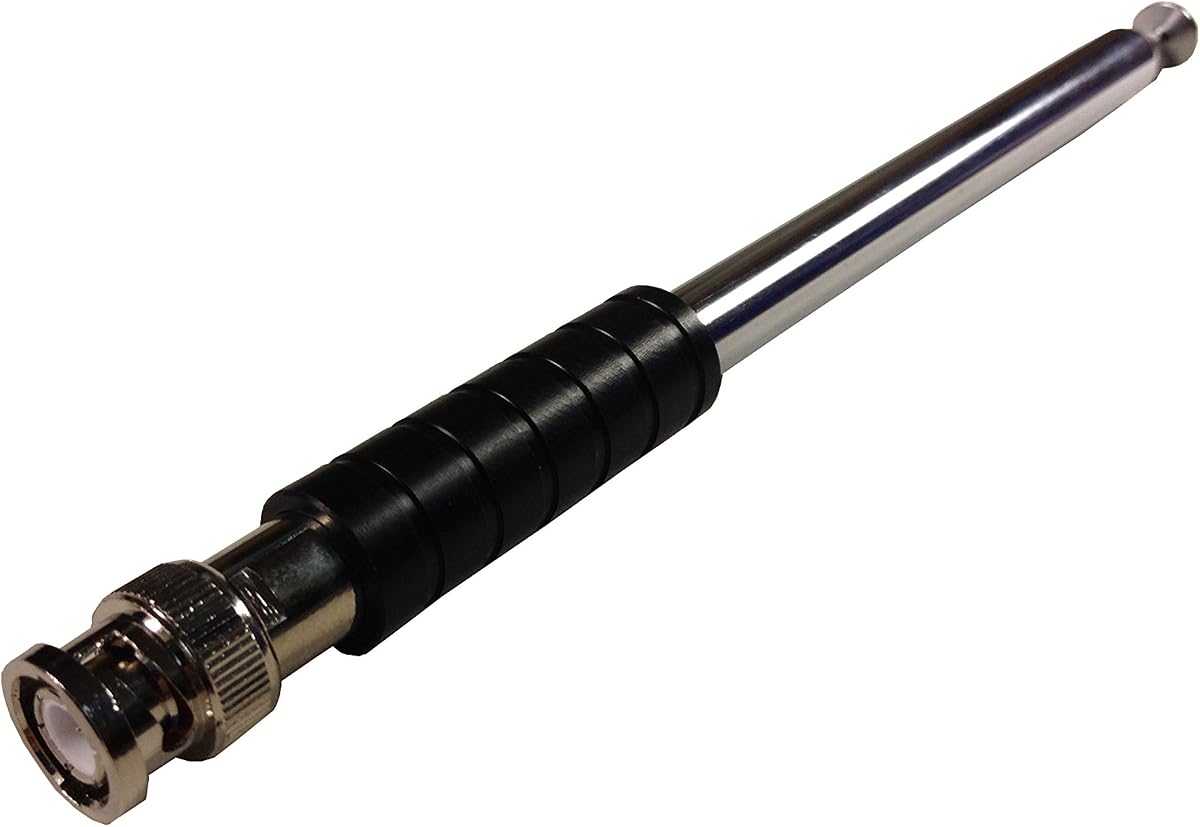
This telescopic antenna stands out as the most cost-effective choice for basic scanning needs. With a 4.5 rating, it delivers decent performance for its price point while offering portability that fixed antennas cannot match.
We may earn a commission when you buy through this link, at no additional cost to you.
The seven-section design allows it to extend to 68.5cm for better reception and collapse for storage. This makes it perfect for field operations or travelers who need a compact scanner solution in a bag.
Users should note this model is strictly for receiving signals and lacks transmit capabilities. Its lightweight construction means it may not withstand strong winds if mounted outdoors without additional support.
For those just starting out or needing a backup antenna, this is an excellent value pick. Its standard BNC connector ensures it fits most handheld and desktop receivers without requiring adapters.
The collapsible structure makes it easy to carry in a backpack for mobile monitoring tasks.
Equipped with a standard BNC male plug for seamless connection to your existing scanner equipment.
We may earn a commission when you buy through this link, at no additional cost to you.
Designed specifically for stationary listening posts, this desktop antenna offers a robust 25-2000MHz range for diverse monitoring tasks. Its discone style ensures balanced signal reception across multiple bands without needing multiple antennas.
We may earn a commission when you buy through this link, at no additional cost to you.
The heavy-duty magnetic plate allows you to position it on metal surfaces easily, even indoors. A 4-meter mil-spec coax cable ensures minimal signal degradation over distance to your receiver or computer interface.
While it lacks the portability of handheld options, its stability makes it ideal for home or office setups. Users might find the price higher than simple whips, but the performance gain is often worth the investment.
This model suits users focused on SDR software or stationary emergency monitoring. Its wideband capability makes it a versatile tool for capturing everything from aviation to public safety communications.
The heavy magnetic base keeps the antenna steady on desks or metal surfaces to maintain consistent signal quality.
Supporting 25 to 2000 MHz, it covers a vast spectrum useful for SDR enthusiasts and general scanning.
We may earn a commission when you buy through this link, at no additional cost to you.
The Comet BNC-W100RX is engineered for handheld users needing a tough, portable antenna for daily carry. Rated at 4.5, it balances durability with performance, making it a top choice for field operations or travel.
We may earn a commission when you buy through this link, at no additional cost to you.
Its six-inch flexible rubber whip resists bending and breaking, ensuring longevity even in rough conditions. The omni-directional pattern captures signals from all angles, which is crucial when moving through varied terrain.
Though it is shorter than standard telescopic models, this compact size is intentional for convenience. It may pick up slightly less distant signals than larger units, but the trade-off is worth the improved portability.
Ideal for professionals or hobbyists who carry their scanner everywhere, this antenna is a reliable partner. Its standard BNC plug works seamlessly with most major handheld scanner brands for instant setup.
Flexible rubber material ensures the whip remains intact even after accidental drops or impacts during transport.
Designed to fit all major handheld scanners, making it a versatile upgrade for almost any device.
We may earn a commission when you buy through this link, at no additional cost to you.
This dipole antenna offers a versatile solution for users who prefer mounting on glass surfaces. With a 4.2 rating, it provides solid performance for mobile and home setups where metal surfaces aren't available for magnets.
We may earn a commission when you buy through this link, at no additional cost to you.
The adhesive mount allows secure attachment to windows without drilling or permanent fixtures. Combined with a 3-meter cable, you can easily route the signal to your receiver inside a vehicle or room.
While the adhesive might weaken in extreme heat, it generally holds well under normal conditions. For those without metal car roofs or desks, this design offers a necessary alternative to magnetic mounts.
It is an excellent choice for users needing a non-invasive installation method. Its broad compatibility ensures it works with most popular scanner brands, making it a practical addition to any kit.
The adhesive backing allows placement on glass windows where magnetic bases would not stick effectively.
Supports a wide range of scanners including Uniden and Whistler, ensuring versatility across devices.
We may earn a commission when you buy through this link, at no additional cost to you.
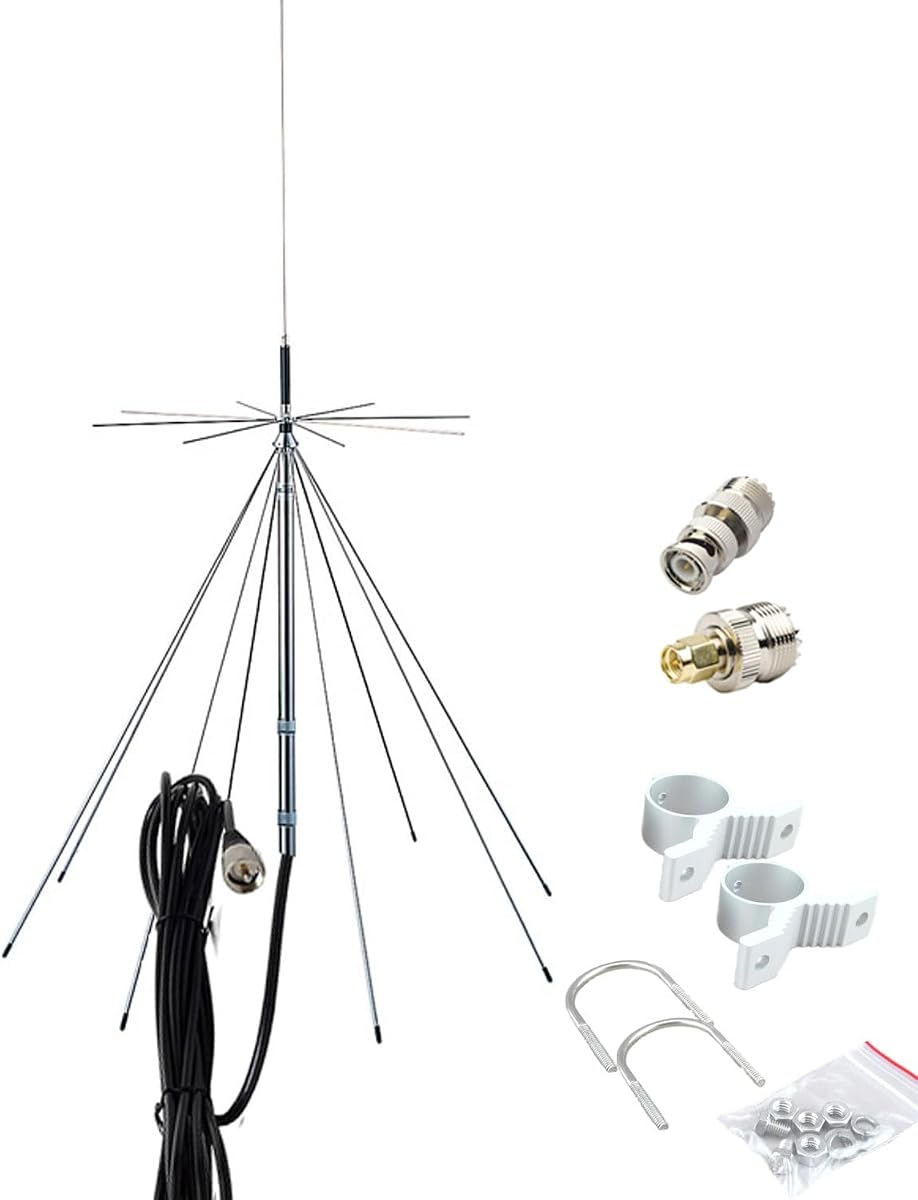
The Discone Antennas D3000 is the ultimate choice for serious enthusiasts needing coverage beyond standard scanner bands. With a top 4.7 rating, it supports frequencies up to 3000 MHz, ideal for aviation and advanced radio work.
We may earn a commission when you buy through this link, at no additional cost to you.
Its ultra-wideband design captures signals from CB to microwave bands, offering unmatched versatility. The package includes various adapters like PL-259 and SMA, ensuring you can connect it to almost any receiver directly.
Constructed from stainless steel, this antenna is built to withstand harsh weather conditions outdoors. While the price is higher than others, the durability and frequency reach justify the investment for dedicated monitors.
This model is best suited for those with rooftop or balcony mounting options. If you need to listen across the entire spectrum including transmission bands, this is the premium standard to aim for.
Covering 25 to 3000 MHz, it goes far beyond standard scanner needs into advanced spectrum monitoring.
Includes multiple connector types to ensure seamless integration with various radio and SDR devices.
We may earn a commission when you buy through this link, at no additional cost to you.
This GMRS antenna features a dual whip design optimized for VHF and UHF performance alongside broader scanner bands. With a 4.5 rating, it is excellent for tracking aircraft via ADS-B while handling standard public safety signals.
We may earn a commission when you buy through this link, at no additional cost to you.
The heavy-duty magnetic base supports both desktop and vehicle use, providing flexibility for different listening scenarios. A 5-meter cable with multiple connector options ensures compatibility with diverse equipment setups.
While the dual whips might require some tuning for best results, they significantly enhance signal strength on specific bands. Users may find the assembly slightly more involved than a single whip, but the benefits are clear.
Ideal for multi-purpose users needing aviation and scanner coverage in one unit, this antenna is versatile. Its ability to transmit on specific bands makes it valuable for amateur radio activities as well.
Separate whips for 2m and 70cm bands ensure optimized reception across key amateur and public frequencies.
Supports BNC, SMA, and SO239 connectors to fit a wide range of modern and legacy radios.
We may earn a commission when you buy through this link, at no additional cost to you.
The TW-999BNC offers an extendable option for handheld scanners needing better range without full mast installation. Rated at 4.5, it extends to nearly 127cm, providing significant gain for distant signal capture in open areas.
We may earn a commission when you buy through this link, at no additional cost to you.
This model is explicitly noted for compatibility with frequency counters, making it a niche but useful tool for technical users. Its simple design keeps costs low while delivering reliable performance for receive-only operations.
Users should be mindful that the fully extended length might be cumbersome indoors or in vehicles. However, the telescopic design allows retracting it for easier transport when full height isn't needed.
Best for field technicians or enthusiasts needing a simple boost in signal strength, this antenna is practical. Its standard BNC connector ensures it integrates easily into existing handheld radio configurations.
Extending to 127cm provides much better reach than standard short whips for distant frequencies.
Specifically compatible with frequency counters, adding value for technical measurement applications.
We may earn a commission when you buy through this link, at no additional cost to you.
This Tram model is built to last with a stainless steel structure that resists corrosion and weather damage. With a 4.6 rating, it provides exceptional signal clarity across the 25 to 1300 MHz range for serious monitoring.
We may earn a commission when you buy through this link, at no additional cost to you.
The Super Discone design combined with an SWR less than 1.5:1 ensures efficient signal transfer to your receiver. Multiple adjustable radials help tune the antenna for optimal performance on various bands.
Its robust build means it is heavier than standard antennas, requiring a secure mounting location like a mast or roof. However, the durability guarantees long-term reliability in outdoor environments exposed to elements.
Ideal for users seeking a permanent outdoor solution, this antenna offers professional-grade stability. Its high power rating also supports limited transmit use, adding value for dual-function radio setups.
Stainless steel construction ensures the antenna withstands rain, snow, and sun without degrading over time.
Low SWR and Discone design maximize the strength of signals reaching your receiver from the air.
We may earn a commission when you buy through this link, at no additional cost to you.
The Tram glass-mount antenna provides a clean, non-invasive installation for vehicle scanners using its heavy glass-mount hardware. Rated at 4.4, it offers strong performance with a 28-inch whip for better signal capture on the road.
We may earn a commission when you buy through this link, at no additional cost to you.
Its center-loaded design optimizes the whip's electrical length for superior bandwidth and gain. The 17-foot RG58 cable ensures you can route the connection cleanly to your dashboard or interior mounting spot.
While this model requires a flat glass surface for best adhesion, it avoids drilling holes in the vehicle body. The hardware is sturdy but should be checked periodically to ensure it remains secure during travel.
Best for users wanting a permanent vehicle solution without drilling holes, this antenna is practical and reliable. Its broad frequency coverage makes it suitable for monitoring multiple bands while driving or parked.
Mounts securely on glass without drilling, preserving vehicle integrity while providing strong reception.
Includes 17 feet of coax to ensure flexible routing options for various vehicle cabin layouts.
We may earn a commission when you buy through this link, at no additional cost to you.
Selecting the right antenna depends on your primary listening location and the types of signals you want to capture. Below are key factors to evaluate before purchasing a new scanner antenna.
The frequency range dictates which signals your antenna can receive. Most scanners cover VHF and UHF bands, but advanced units may require coverage up to 3000 MHz for aviation or digital modes. Check your scanner's band requirements against the antenna's specs to ensure compatibility.
Always choose an antenna that covers at least the frequencies your scanner is programmed to monitor.
Mounting type determines where you can place the antenna. Magnetic bases suit metal vehicles or desks, while glass mounts work for car windows. Desktop units offer stability for home use, whereas handheld antennas provide portability for on-the-go monitoring.
Select a mounting method that fits your available space and desired mobility level.
Connectors ensure the antenna attaches correctly to your receiver. Most modern scanners use BNC connectors, but some may require PL-259 or SMA. Always check the port on your device to avoid buying an incompatible model.
Ensure the antenna connector matches your scanner or receiver exactly.
Cable length affects where you can place the antenna relative to your equipment. Too short and you may not reach your receiver; too long and excess cable creates clutter. Aim for a length that provides flexibility without excess slack.
Choose a cable length that comfortably reaches your setup without needing extensions.
Build quality impacts durability and longevity. Outdoor antennas should be made from stainless steel or weather-resistant plastics to withstand rain and sun. Indoor or desktop antennas can be lighter but still need sturdy construction to maintain position.
Prioritize weather-resistant materials for any antenna exposed to outdoor elements.
Most scanner antennas are receive-only, meaning they cannot transmit signals. If you plan to use your setup for two-way communication, ensure the antenna supports transmit modes. This distinction is critical for amateur radio users.
Verify whether the antenna supports transmission if you need two-way functionality.
Signal gain refers to how much the antenna amplifies incoming signals. Longer whips or discone designs often provide higher gain for distant stations. However, higher gain might also pick up more noise if not tuned correctly.
Look for higher gain ratings if you need to hear signals from far away.
Price should be weighed against performance needs. Basic antennas are affordable and sufficient for local monitoring, while premium options offer wider ranges and better durability. Assess your budget against the frequency bands you need to monitor.
Balance your budget with the specific performance features you require.
Install your antenna in an open area away from large metal objects or interference sources. For mobile use, secure the magnetic or adhesive mount firmly on a clean metal surface. If using glass mounts, clean the window with alcohol before attaching the hardware to ensure a strong bond.
Connect the antenna cable to your receiver using the correct connector type. Avoid sharp bends or kinks in the cable that can degrade signal quality. Route excess cable neatly along the vehicle frame or desk edge to prevent accidental damage or tripping hazards.
Regularly inspect outdoor antennas for weather damage or rust. Wipe down connectors with a dry cloth to prevent corrosion and ensure a solid connection. Periodically adjust the mounting position if you notice signal changes to maintain optimal performance over time.
The best frequency range depends on your scanner's capabilities. Most police scanners operate on VHF and UHF bands, so an antenna covering 25 to 1300 MHz is ideal. Advanced models may benefit from coverage up to 3000 MHz for aviation or digital signals.
Most Uniden and Whistler scanners use standard BNC connectors, so most compatible antennas will work. Always verify the connector type on your specific model before purchasing. Some older models might require an adapter for modern antenna plugs.
Most scanner antennas do not require grounding for basic reception. However, grounding can improve performance and reduce electrical noise in some setups. If you plan to use the antenna outdoors or transmit signals, grounding may be necessary for safety and clarity.
Cable length should be just long enough to reach your receiver without excess slack. Typical lengths range from 3 meters to 17 feet depending on your setup. Longer cables increase signal loss slightly, so keep them as short as practical for best results.
Most scanner antennas are designed for receiving only and cannot transmit signals. If you need two-way radio capability, you must purchase an antenna rated for transmit and receive. Check product specifications carefully to confirm transmit support.
Yes, you can mount a scanner antenna on a rooftop using a mast bracket. Ensure the antenna is weather-resistant and secured against wind. Rooftop mounts typically provide better signal range due to less obstruction from buildings.
Antenna length directly affects signal reception and gain. Longer whips generally capture more distant signals but may be harder to install. Shorter antennas offer better portability but might limit your range to local transmissions.
A discone antenna is used for wideband monitoring across multiple frequency bands. It is popular for aviation, emergency services, and amateur radio. Its design provides consistent performance across a broad spectrum without needing multiple antennas.
Choosing the best antenna for scanner use requires balancing frequency coverage, mounting type, and build quality. The top three picks highlighted above offer excellent value for budget, portable, and premium needs respectively.
Prioritize your primary listening environment when making a decision. Mobile users should focus on secure mounting options while home monitors might prefer wideband desktop models for versatility.
Remember to verify connector compatibility and cable length before finalizing your purchase. Always check current prices and availability to ensure you select the right model for your monitoring setup.