
ASUS Prime X470-Pro
4.6Editor score
5-Way Optimization
SafeSlot PCIe Reinforcement
8-Channel HD Audio
Discover the top rated Amd Ryzen Gen 2 X470 Motherboards for performance and stability. This guide compares features, connectivity, and value for your next
Choosing the right motherboard is critical for any AMD Ryzen build. The X470 chipset offers robust features for second-generation processors. You need reliable power delivery, ample connectivity, and solid cooling to unlock full potential.
We evaluated ten top models based on VRM quality, expansion slots, and user feedback. Our analysis focuses on real-world performance, compatibility, and build quality. Each board brings unique strengths for different budget and performance needs.
Every pick highlights key specs and ideal use cases to simplify your decision. Prices fluctuate regularly so verify current listings before purchasing. These recommendations help you balance cost, features, and longevity effectively.
4.6Editor score

4.3Editor score

4.4Editor score
This side-by-side comparison highlights key specifications across all ten selected boards to help you find the perfect match for your specific needs.


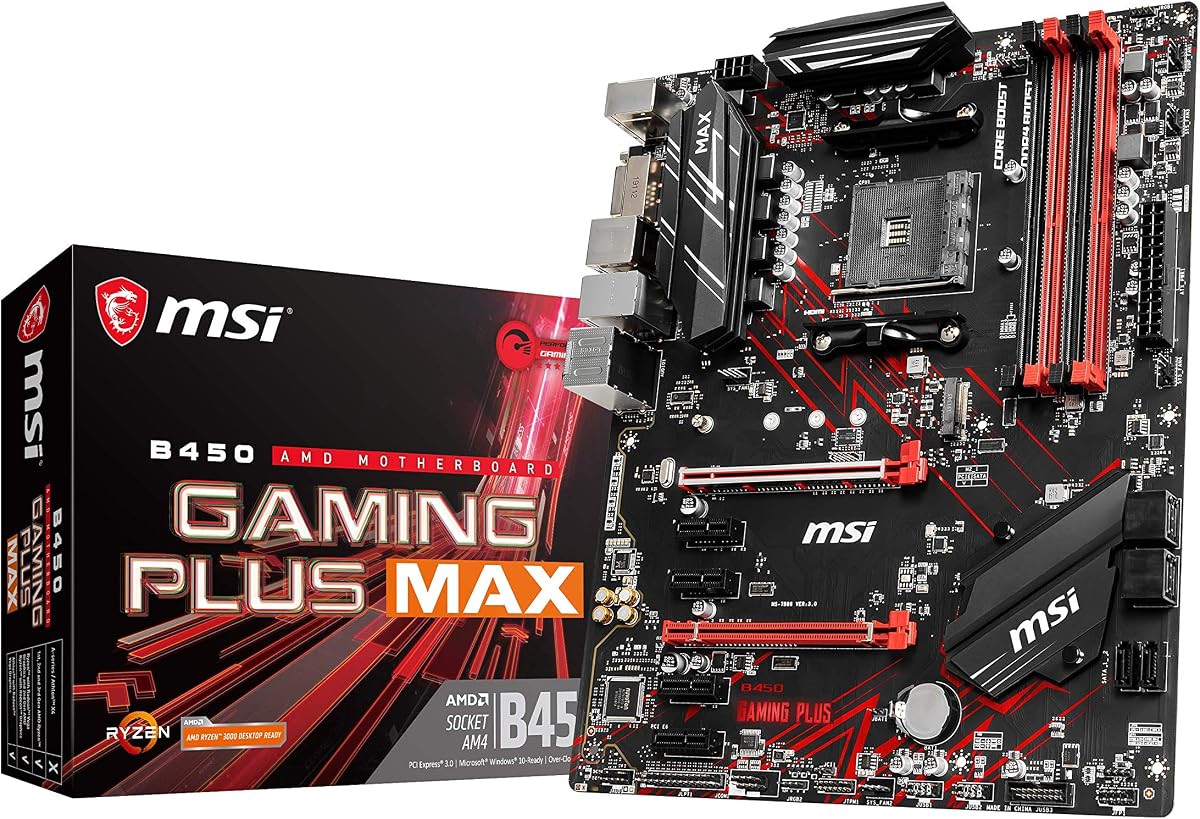
This board stands out for modern builds using 3rd and 5th Gen Ryzen processors. It offers exceptional connectivity and power delivery. Users praise its stable overclocking performance and integrated WiFi 6E for seamless networking.
We may earn a commission when you buy through this link, at no additional cost to you.
Key strengths include the 12+2 teamed power stages ensuring stable power under load. The BIOS Flashback feature allows updates without a CPU installed. Audio and RGB controls are intuitive making customization easy for enthusiasts.
Trade-offs include higher pricing compared to older chipsets like X470. While PCIe 4.0 is present bandwidth is shared. If you stick to 2nd Gen Ryzen X470 remains viable but this offers better longevity.
Ideal for builders wanting cutting-edge features and future-proofing. Its balance of performance and quality justifies the cost. Consider this if you value wireless speed and robust power design.
PCIe 4.0 support enables faster SSDs and next-gen GPUs.
BIOS Flashback allows firmware upgrades without CPU or GPU installed.
We may earn a commission when you buy through this link, at no additional cost to you.
This board remains a top choice for X470 enthusiasts seeking premium features. Its robust power design supports high-core count CPUs effectively. The integrated Wi-Fi and high-quality audio codec offer convenience without extra add-ons.
We may earn a commission when you buy through this link, at no additional cost to you.
Standout features include the Fins-Array heatsink and direct touch heatpipes. These ensure VRM temperatures stay low even during intense loads. The ESS 9018 DAC delivers audiophile-grade sound which is rare on mainstream boards.
However the BIOS can be overwhelming for beginners with many options. Some users report needing to disable unused features for cleaner performance. Still its hardware quality is unmatched in the X470 lineup.
Perfect for users prioritizing thermal performance and audio quality. If you need reliable high-end power for Ryzen 7 or 9 this model delivers. It bridges legacy support with modern connectivity well.
Direct touch heatpipes and Fins-Array keep VRMs cool under load.
ESS 9018 DAC provides crystal clear audio without external DAC.
We may earn a commission when you buy through this link, at no additional cost to you.
This board balances features and value effectively for X470 builders. Its front USB Type-C port adds modern convenience for case compatibility. The 8+3 phase hybrid PWM provides reliable power for Ryzen 7 processors.
We may earn a commission when you buy through this link, at no additional cost to you.
Strengths include support for 2-way CrossFire and SLI configurations. This makes it suitable for multi-GPU setups though less common now. The layout is clean making cable management straightforward during assembly.
Trade-offs involve M.2 slot bandwidth sharing which limits NVMe speed. The audio codec is decent but not exceptional compared to high-end models. These are minor concerns for most mainstream gaming users.
Recommended for builders needing a feature-rich board at a fair price. Its balance of connectivity and power delivery supports a wide range of use cases. Check compatibility notes before installing multiple GPUs.
Front Type C allows clean cable management for new cases.
Supports both CrossFire and SLI for dual GPU configurations.
We may earn a commission when you buy through this link, at no additional cost to you.
This model is a solid entry-level option for X470 users on a budget. It delivers reliable performance for mid-range Ryzen CPUs without unnecessary extras. The SafeSlot design ensures PCIe slots are secure for heavy graphics cards.
We may earn a commission when you buy through this link, at no additional cost to you.
Notable strengths include Fan Expert 4 for precise cooling control and Aura Sync for lighting. Its layout supports front panel USB 3.1 for easy access. These quality of life features make building easier.
Drawbacks include a simpler VRM which limits extreme overclocking potential. There is no onboard Wi-Fi so a separate card is needed for wireless. Still these trade-offs help keep costs down for budget builds.
Ideal for users seeking dependable performance without paying for premium features. Its build quality and protection features offer great value. Consider this for first-time builders or cost-conscious gamers.
SafeSlot technology prevents bending and damage to PCIe connectors.
Fan Expert 4 gives detailed control over fan speeds and profiles.
We may earn a commission when you buy through this link, at no additional cost to you.
This compact board brings modern B550 features to smaller builds. It supports Ryzen 5000 series processors with PCIe 4.0 speeds for SSDs. The Micro-ATX form factor fits well in mid-tower and mini cases.
We may earn a commission when you buy through this link, at no additional cost to you.
Its main strengths are dual M.2 slots and decent power phases for mid-range CPUs. Q-Flash allows easy BIOS updates without entering the OS. Connectivity includes essential USB ports for most peripherals.
However the VRM lacks robust heatsinks limiting sustained overclocking. Fewer rear USB ports may require hubs for high-peripherals setups. These constraints are expected given the compact footprint and price.
Best for compact builds needing modern specs on a tight budget. It offers future-proofing for Ryzen 5000 without large ATX costs. Check case clearance for VRM heat.
Full PCIe 4.0 support ensures max SSD and GPU bandwidth.
Micro-ATX size fits small cases while retaining key features.
We may earn a commission when you buy through this link, at no additional cost to you.
This board offers a solid middle ground with ATX size and modern features. The 8+1 DrMOS stages provide stable power for Ryzen 5 or 7. Integrated WiFi 5 ensures you do not need extra network cards.
We may earn a commission when you buy through this link, at no additional cost to you.
Key strengths include Dual M.2 slots and both rear and front USB-C ports. This connectivity makes it versatile for modern peripherals and storage. CEC Tier II readiness supports energy efficient standby modes.
The main drawback is WiFi 5 being older than WiFi 6. The audio codec is functional but not high-fidelity. These are minor issues for most users focused on general gaming.
Ideal for users needing ATX size with wireless and USB-C. Its power design supports overclocking well. This is a versatile choice for general home or office builds.
Plenty of headers for fans, RGB, and USB-C connections.
DrMOS stages ensure reliable power delivery for higher TDP CPUs.
We may earn a commission when you buy through this link, at no additional cost to you.
This V2 version improves on the original with better power and BIOS tools. Q-Flash Plus allows BIOS updates without a CPU installed which is vital for compatibility. The 10+3 phases handle Ryzen 7 loads comfortably.
We may earn a commission when you buy through this link, at no additional cost to you.
Strengths include front USB-C support for modern cases. RGB Fusion allows syncing of lighting across Gigabyte components. The layout is standard ATX making case fit easy for most builds.
Cons include a basic I/O shield that is not integrated. Fan headers are sufficient but not abundant for complex cooling. These trade-offs are acceptable given the price performance ratio.
Perfect for users upgrading from older AM4 boards. Its features simplify setup and ensure future compatibility. Consider this if Q-Flash Plus is a priority.
Q-Flash Plus lets you update BIOS without any CPU installed.
RGB Fusion software syncs lighting across compatible devices.
We may earn a commission when you buy through this link, at no additional cost to you.
This board fits compact cases without sacrificing key modern features. WiFi 6 provides fast wireless speeds ideal for gaming and streaming. The HDMI 2.1 output supports 4K displays at 60Hz for HTPC builds.
We may earn a commission when you buy through this link, at no additional cost to you.
Key strengths are the PCIe 4.0 SafeSlot and compact size. It supports ECC memory for users needing data integrity. Dual M.2 slots ensure fast storage in a small footprint.
Trade-offs include fewer expansion slots due to size. VRM cooling is adequate but may throttle under heavy sustained loads. These limitations are standard for Micro-ATX boards.
Ideal for small form factor builders needing robust performance. Its WiFi 6 and HDMI 2.1 features make it versatile. Check CPU thermal limits for extreme overclocking.
Micro-ATX form with WiFi 6 for clean small case setups.
HDMI 2.1 supports high refresh rate 4K gaming.
We may earn a commission when you buy through this link, at no additional cost to you.
This board supports 3rd Gen Ryzen well with high-speed memory support. StoreMI technology allows combining SSDs and HDDs for better performance. The Audio Boost provides quality sound without external DACs.
We may earn a commission when you buy through this link, at no additional cost to you.
Strengths include high DDR4 OC potential up to 4133MHz. Turbo M.2 ensures fast storage speeds. It is a reliable choice for budget builds focusing on CPU performance.
Trade-offs are the lack of PCIe 4.0 and older chipset limits. BIOS updates may be needed for Ryzen 5000 compatibility. These are acceptable for 2nd or 3rd Gen users.
Best for budget builds needing high memory speeds. It delivers strong gaming performance without modern premium costs. Consider if PCIe 4.0 is not a priority.
Supports DDR4 memory up to 4133MHz for better CPU performance.
StoreMI combines drives to boost storage performance.
We may earn a commission when you buy through this link, at no additional cost to you.
This variant offers essential connectivity for budget or office builds. The inclusion of DVI supports older monitors alongside HDMI. Multiple SATA ports allow for extensive storage setups without extra controllers.
We may earn a commission when you buy through this link, at no additional cost to you.
Its strengths lie in simplicity and affordability. It provides a stable base for Ryzen 3 or 5 processors. The layout avoids confusion making it easier to assemble.
Drawbacks include lack of USB-C and simpler VRM design. It is not meant for overclocking or high-end GPUs. These constraints define its budget positioning.
Ideal for entry-level systems or office PCs. Its basic features cover all needs without complexity. Consider if legacy video support is required.
DVI and HDMI outputs support a wide range of monitors.
Basic layout reduces build complexity for first-time users.
We may earn a commission when you buy through this link, at no additional cost to you.
Selecting the right motherboard depends on your CPU, budget, and future needs. This guide outlines the critical factors to evaluate before purchasing.
Ensure the board supports your specific Ryzen generation. X470 supports 2nd and 3rd Gen Ryzen well. Check BIOS updates if planning to use newer CPUs.
Verify the socket is AM4 for Ryzen 2000 and 3000 series.
Power phases affect stability during overclocking. Look for at least 8 phases for Ryzen 7. Better VRMs prevent throttling under heavy workloads.
Check heatsink size to ensure cooling efficiency.
Count M.2 and PCIe slots based on your needs. Ensure M.2 slots do not share bandwidth with other components. Dual GPU support may require specific board configurations.
Prioritize boards with multiple M.2 for fast NVMe storage.
Check USB ports including Type-C for modern peripherals. Onboard Wi-Fi reduces the need for add-on cards. Ethernet speed matters for gaming and large file transfers.
Look for front panel USB to support case features.
Integrated audio codecs vary in quality. Higher-end boards use dedicated DACs or shielding. This matters if you do not use external headphones.
Check for noise isolation and amplifier support.
RGB headers allow customization of lighting. Sync software ensures consistent colors across components. This is optional but adds to build visual appeal.
Ensure headers match your RGB device type.
Compare features against price to find value. A slightly higher price may offer better durability. Warranty length indicates manufacturer confidence.
Read return policies in case of defects.
Check for Flashback features for easy updates. A clean BIOS interface makes tuning easier. Ensure compatibility with your specific CPU version.
Look for BIOS version requirements before purchase.
Install the board in a grounded case before attaching components. Double-check standoffs to prevent short circuits. Ensure power connectors are fully seated.
Update BIOS immediately after installation for compatibility. Use the correct RAM profiles for best performance. Enable XMP or DOCP for stable speeds.
Keep vents clear of dust and monitor temperatures. Replace thermal paste periodically. Use stable power supply to protect sensitive components.
X470 boards may support Ryzen 5000 with a BIOS update but it is not guaranteed. Check the manufacturer's CPU support list for your specific model. Some boards require updates that may not be available.
No, X470 supports only PCIe 3.0. You need a B550 or X570 chipset for PCIe 4.0. This limits SSD speed but is sufficient for most gaming needs.
X470 generally offers better power delivery and connectivity than B450. It is more suitable for high-end CPUs and overclocking. B450 is a cheaper alternative for budget builds.
No, not all X470 boards have onboard Wi-Fi. Many budget models require a separate adapter. Check product details before purchasing if wireless is needed.
Most X470 boards have four DDR4 RAM slots. This allows up to 128GB of memory in most cases. Dual-channel configuration is standard for performance.
Yes, many X470 boards support CrossFire or SLI configurations. Ensure the board has two PCIe x16 slots. Bandwidth may be shared reducing performance slightly.
BIOS Flashback lets you update firmware without installing a CPU. This is useful when a board does not support your CPU out of the box. It requires a USB drive and specific button.
You usually do not need a new power supply for X470. Ensure your current unit has the correct connectors like 24-pin and CPU power. Check wattage needs for your CPU and GPU.
The top picks balance power, connectivity, and value for various needs. Each board offers distinct features for different build types. Consider your priority features before finalizing your choice.
Prioritize power delivery and thermal design for long-term reliability. Connectivity options like Wi-Fi and USB-C matter for daily use. Match the board to your CPU and case size.
Prices change frequently so verify current listings before buying. Check availability to avoid delays in your build project. A well-chosen motherboard ensures stability and performance.