
ACR RESQLINK AIS Personal Locator Beacon
4.0Editor score
SOS and GPS distress alert
Return Link Service confirmation
Global satellite emergency signaling
Navigating open waters requires reliable tools to ensure safety and situational awareness for every vessel operator. Ais Transponders provide critical data exchange between boats, allowing captains to identify nearby traffic and avoid potential collisions effectively.
We have evaluated a wide range of options based on technical specifications, user feedback, and essential safety features. Our list covers Class A and Class B transponders, personal beacons, and integrated communication bundles for diverse marine needs.
Each selection highlights specific strengths such as display quality, connectivity options, and emergency signaling capabilities. Please note that product availability and pricing may fluctuate based on market conditions and regional distributors.
4.0Editor score

5.0Editor score
5.0Editor score
As an Amazon Associate we earn from qualifying purchases.
The following table offers a side-by-side comparison of the selected Ais Transponders to help you identify the model that best fits your vessel and operational requirements.




The Icom MA-510TR is a robust Class B AIS transponder designed to enhance maritime safety with high visibility and reliable performance. It stands out for its vibrant 4.3 inch color display which makes viewing traffic data easy even in bright sunlight.
We may earn a commission when you buy through this link, at no additional cost to you.
This unit features integrated GPS navigation and NMEA compatibility allowing it to connect seamlessly with existing marine electronics. The multilingual user interface supports five languages making it accessible for international sailors operating in diverse regions.
While it offers silent mode for secure operations and an anchor watch alarm function users must ensure they have a compatible VHF radio for DSC calling features. These trade-offs are acceptable given the comprehensive safety suite provided.
This device is ideal for commercial vessels and serious recreational boaters who need accurate traffic monitoring and easy integration. We recommend it for those prioritizing display quality and connectivity options in their navigation setup.
The vibrant display ensures critical traffic data remains visible during all lighting conditions.
Built-in GPS simplifies setup by providing immediate positioning data without extra sensors.
We may earn a commission when you buy through this link, at no additional cost to you.
This EM-TRAK Class B transceiver offers a straightforward solution for vessels needing basic AIS functionality without advanced display features. It is designed for compatibility with standard 12 or 24 volt systems found on most boats.
We may earn a commission when you buy through this link, at no additional cost to you.
The unit focuses on core communication electronics ensuring that data transmission and reception remain stable during operation. Its standard housing fits well in tight installation spaces where larger units with displays would not.
While it lacks the graphical interface of higher-end models it provides the essential safety net of being visible to other ships. The limited feature set keeps costs down for budget-conscious owners who already have a chartplotter.
Choose this model if you need a functional transmitter and receiver that integrates into an existing navigation system. It is a practical choice for small boats or fishing vessels where cost efficiency is key.
This device delivers essential Class B functionality at a fraction of the cost of premium units.
Support for both 12 and 24 volt inputs makes it versatile for various boat electrical systems.
We may earn a commission when you buy through this link, at no additional cost to you.
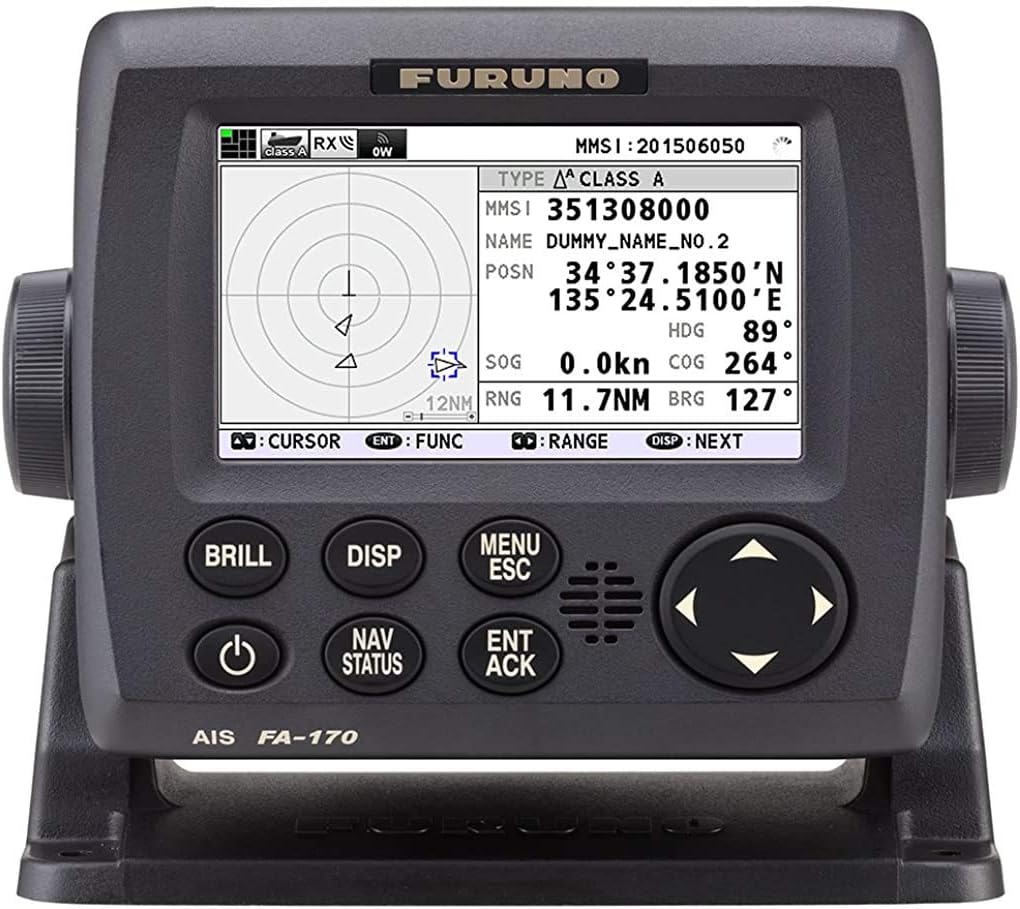
The Furuno FA170 is a Class A transponder designed for professional maritime use where high capacity and connectivity are paramount. It can store up to 2048 AIS targets and SARTs ensuring comprehensive tracking in busy shipping lanes.
We may earn a commission when you buy through this link, at no additional cost to you.
This unit provides extensive connectivity with six input and output ports along with a dedicated LAN port for network integration. It also allows users to create AIS messages or send name requests to target ships for direct communication.
Safety is enhanced with a dangerous target list that alerts the crew when vessels approach too closely. While the setup is complex and the cost is higher it is justified for commercial fleets needing robust data handling.
We recommend this for large vessels or operations requiring detailed tracking and networked navigation systems. Its ability to manage high target loads makes it superior for open ocean and high traffic environments.
Storing over 2000 targets ensures you never lose track of traffic in congested waters.
The included LAN port allows for seamless connection to modern ship network systems.
We may earn a commission when you buy through this link, at no additional cost to you.
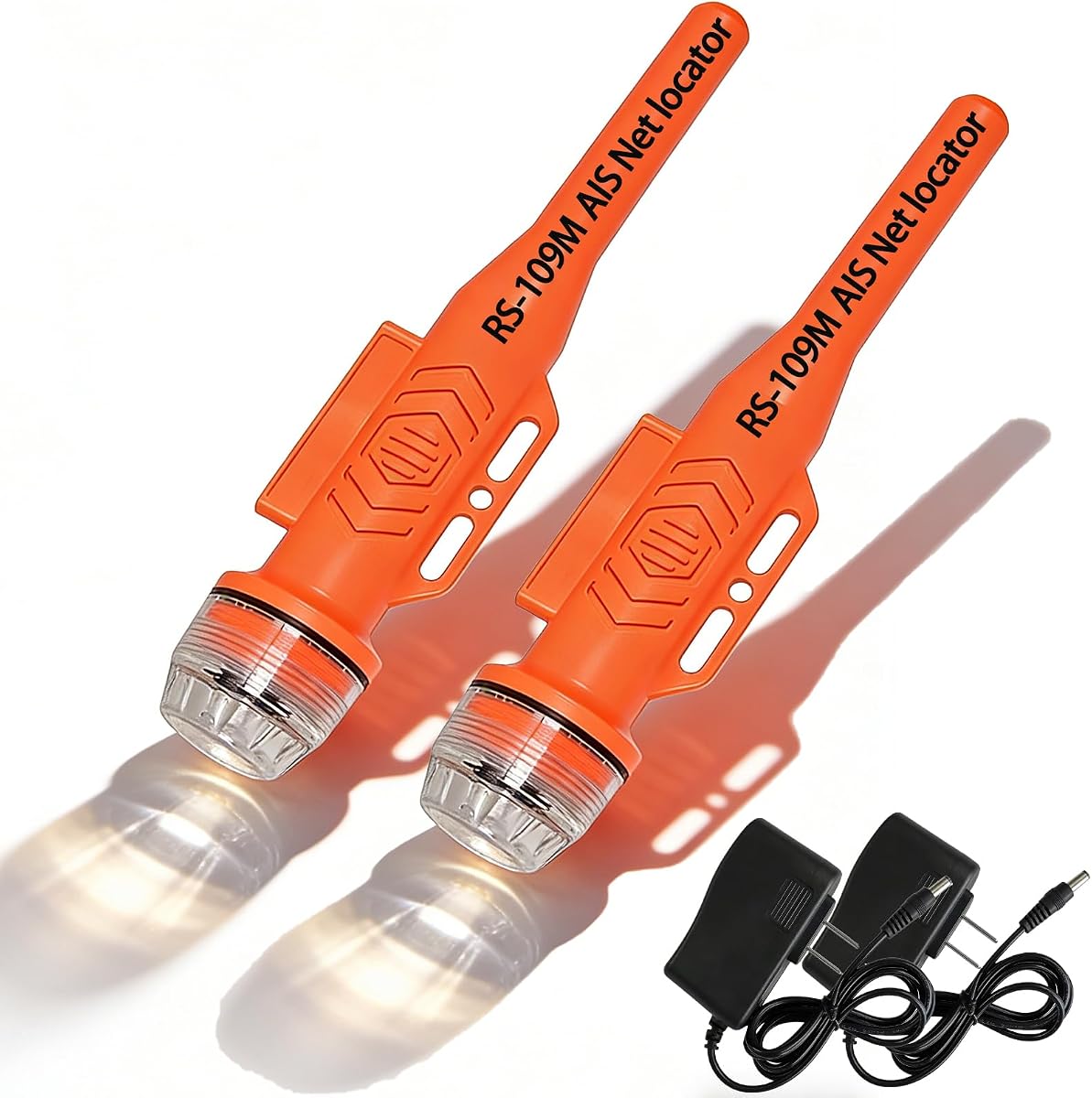
This RS-109M device is a specialized transponder tracker designed for monitoring fishing nets and buoys rather than vessel navigation. It transmits both AIS positioning and real-time battery levels directly to onboard receivers for full status awareness.
We may earn a commission when you buy through this link, at no additional cost to you.
Equipped with a high sensitivity GPS module it delivers precise location updates that are critical for retrieving gear in open waters. The IPX7 waterproof design ensures it performs dependably even if fully submerged during operation.
While it is not intended for personal safety or vessel tracking it solves a specific problem for commercial fishermen losing gear. The extended battery life reduces maintenance frequency allowing for uninterrupted monitoring over long periods.
Invest in this if you need to track assets beyond the hull of your boat. It offers a cost effective way to secure fishing equipment and ensure valuable gear can be retrieved efficiently.
Track your nets and buoys to prevent loss and ensure quick recovery during rough weather.
Receive real-time battery updates so you never run out of power unexpectedly during deployment.
We may earn a commission when you buy through this link, at no additional cost to you.
This bundle combines a Raymarine VHF radio with AIS capabilities providing a complete communication and safety solution in one package. It is designed to work seamlessly with Raymarine multifunction display systems for a cohesive user experience.
We may earn a commission when you buy through this link, at no additional cost to you.
The inclusion of fixed mount accessories ensures that installation is straightforward and professional. By bundling these two critical safety tools boaters get a reliable system for voice communication and traffic monitoring without mismatched brands.
While it is limited to Raymarine ecosystems it ensures high compatibility and support for users already invested in the brand. This simplifies troubleshooting and maintenance as everything works together under one software environment.
Choose this for your vessel if you need a dependable voice and data comms setup. It is an excellent choice for those building a new navigation station or upgrading an existing system.
Combining VHF and AIS into one bundle simplifies cable management and installation time.
Raymarine products are known for robust performance in marine environments ensuring longevity.
We may earn a commission when you buy through this link, at no additional cost to you.
The ACR RESQLINK is a personal locator beacon designed for individual safety rather than vessel navigation. It sends distress alerts on VHF frequencies and global satellite networks to alert search and rescue teams immediately when activated.
We may earn a commission when you buy through this link, at no additional cost to you.
Its Return Link Service confirms that the distress signal has been received reducing anxiety during emergencies. NFC technology allows users to check battery life and test status easily via a mobile app without complex interfaces.
While it is not a substitute for a boat mounted transponder it adds a critical layer of protection for crew members who might end up in the water. The integrated strobe lights enhance visibility during night rescues.
Equip every crew member with this beacon for offshore voyages or fishing trips. It provides peace of mind by ensuring that personal emergencies are communicated quickly to nearby vessels and global rescue networks.
This beacon ensures individual crew members are visible to nearby boats in emergency situations.
Use your phone to check device status via NFC for proactive maintenance and readiness.
We may earn a commission when you buy through this link, at no additional cost to you.
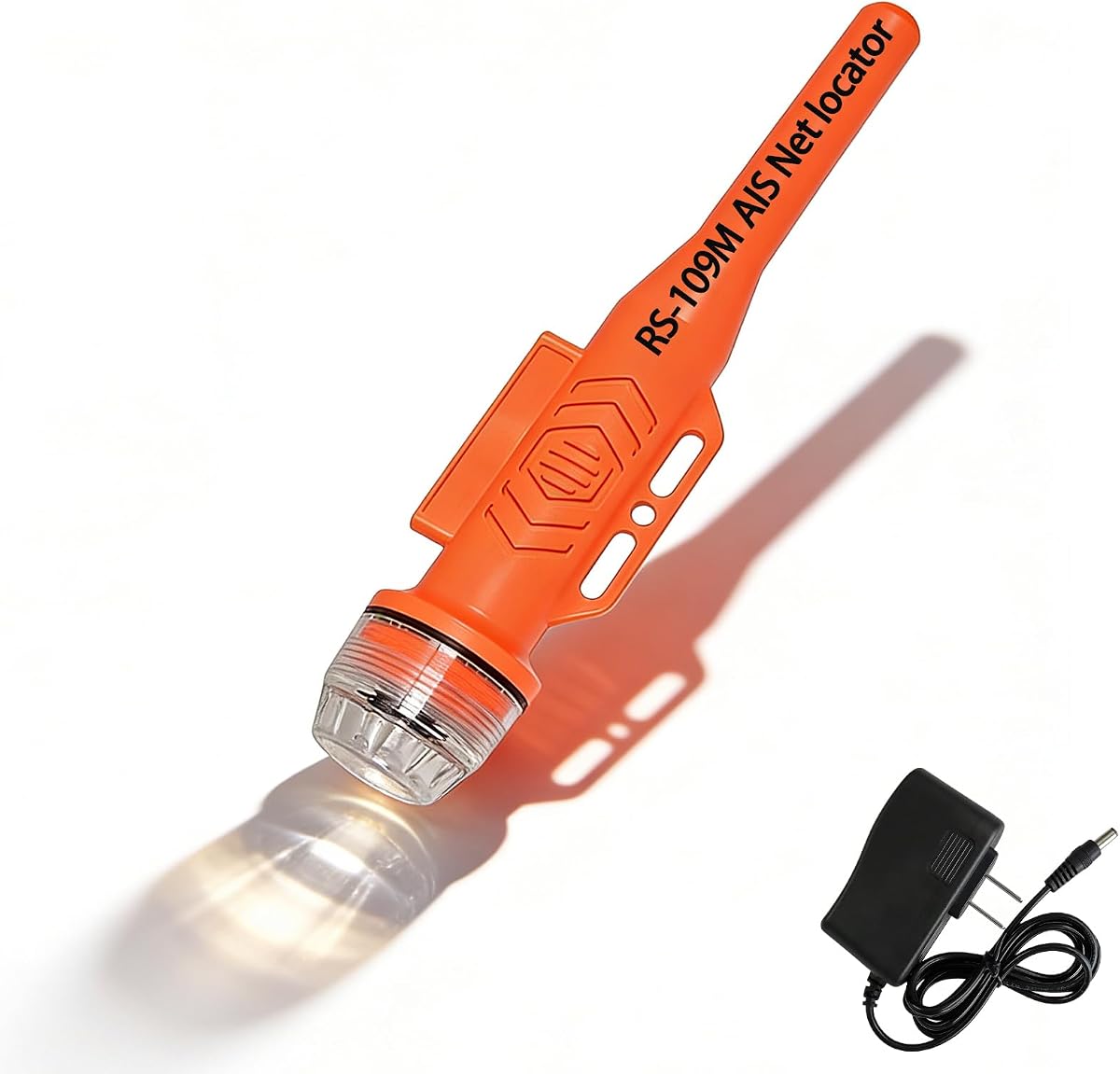
Similar to the dual pack this unit is a single tracker for buoys and nets with strong GPS and waterproofing features. It delivers quick and precise location updates for reliable navigation and retrieval in open waters.
We may earn a commission when you buy through this link, at no additional cost to you.
Powered by a high capacity 3000mAh lithium battery it supports continuous signal transmission for up to two weeks. This extended duration reduces the frequency of battery changes and maintenance for large scale fishing operations.
It is built to withstand submerged marine conditions with a fully sealed housing that meets IPX7 waterproof standards. While it lacks voice capabilities it ensures that valuable gear remains visible on your chartplotter map.
Use this for tracking specific fishing gear or marking boundaries on the water. It is an essential tool for commercial fishermen looking to secure their assets and improve operational efficiency on the water.
Keep tabs on your fishing gear to prevent theft and loss in open water conditions.
The large battery ensures weeks of continuous operation without manual intervention or charging.
We may earn a commission when you buy through this link, at no additional cost to you.
This handheld VHF transceiver integrates an AIS receiver so you can see nearby vessel traffic directly on its screen. It combines voice communication with visual safety data making it a versatile tool for small boats and tenders.
We may earn a commission when you buy through this link, at no additional cost to you.
The 6W power output and long battery life allow for extended typical operating time when needed most. Its float and flash function ensures that if it falls overboard it remains visible and recoverable in the water.
While handheld units cannot replace fixed station radios they offer excellent backup capabilities and maneuverability. The loud 1500mW audio output keeps calls intelligible even in noisy engine rooms or engine conditions.
Carry this as a secondary radio for safety and flexibility. It is ideal for captains who want to monitor traffic without needing a permanent display mounted on the main console.
See who is around you even when you are away from the main navigation station.
The floating design prevents loss of your primary communication device in water emergencies.
We may earn a commission when you buy through this link, at no additional cost to you.
The Icom M510 EVO represents a modern approach to marine radios by integrating AIS and NMEA 2000 standards. It is designed to fit into complex digital marine networks where data sharing between instruments is essential for navigation.
We may earn a commission when you buy through this link, at no additional cost to you.
Its communication interface is enhanced to work seamlessly with chartplotters and other navigation devices. This integration allows for better situational awareness as AIS data can feed directly into the main navigation display.
While it requires a boat with NMEA 2000 infrastructure it ensures future proofing for your communication systems. Icom reliability ensures that voice calls remain clear and that data connections remain stable in rough conditions.
Choose this if you are building a modern navigation station with digital integration goals. It bridges the gap between voice communication and electronic data ensuring you stay connected and informed on the water.
Connect your radio directly to your digital navigation network for seamless data flow.
Modern standards ensure your investment remains relevant as marine electronics evolve.
We may earn a commission when you buy through this link, at no additional cost to you.
This Raymarine transceiver is designed specifically to work with Raymarine multifunction navigation display systems for enhanced safety. It offers full transmit and receive AIS capabilities ensuring you can both see and be seen by other vessels.
We may earn a commission when you buy through this link, at no additional cost to you.
The built-in antenna splitter simplifies installation by allowing you to share a single antenna with your VHF radio. This saves deck space and reduces complexity in the wiring system behind your navigation console.
It utilizes the latest So-TDMA networking for longer range and faster performance in busy maritime areas. While it lacks its own screen it integrates perfectly with your existing chartplotter for a clean dashboard look.
Select this unit if you already own Raymarine navigation displays and want to upgrade your AIS capabilities. It provides a cost effective way to gain full AIS features without adding another screen to your setup.
The integrated splitter means one less cable to run and one less antenna on the mast.
So-TDMA ensures that data is delivered quickly even in high traffic zones.
We may earn a commission when you buy through this link, at no additional cost to you.
Selecting the right Ais Transponders involves understanding the differences between Class A and Class B systems and your specific communication needs.
Class A transponders are mandatory for larger commercial vessels and transmit more data at higher rates compared to Class B units which are standard for recreational boats. Class A ensures you are visible to all ships while Class B provides essential visibility for small craft.
Always verify your vessel size requirements and local regulations before purchasing to ensure you select the correct class for your boat type and operational area.
Most fixed units require a direct 12 or 24 volt connection from your boat battery which ensures consistent performance during long voyages. Portable or handheld options run on internal batteries offering flexibility but requiring regular charging or replacement for maintenance.
Check your electrical system compatibility and decide between permanent installation and portable use based on how often you venture out on the water.
Some Ais Transponders include built-in displays while others rely on your existing chartplotter to show traffic data on a screen. Integrated displays offer standalone functionality but networked units save space and integrate with your main navigation interface.
Consider whether you need a standalone device or want to share the display on your existing navigation monitor for a cleaner dashboard setup.
Look for units that support NMEA 2000 or NMEA 0183 protocols to ensure compatibility with your existing marine electronics. Proper connectivity allows for seamless data sharing between the transponder your GPS and your navigation system.
Ensure the device supports the specific protocol used by your boat network to avoid integration issues during installation and operation.
For crew safety consider adding a personal locator beacon alongside your vessel transponder to protect individuals who might fall overboard. These devices broadcast distress signals independently and often include satellite capabilities for global coverage beyond local range.
Prioritize personal safety by equipping crew members with individual distress devices that work in tandem with your main vessel systems.
Marine environments are harsh so ensure the unit you choose meets IPX7 or higher standards for water resistance. This rating ensures the device will survive submersion and harsh weather conditions without failing during critical moments.
Invest in a device with robust waterproofing to guarantee reliability regardless of the weather conditions you encounter.
Some units require a dedicated antenna while others share a VHF antenna with a splitter to reduce clutter on your boat. Check the installation requirements to ensure you can mount the antenna correctly for optimal signal range.
Proper antenna placement is critical for achieving the maximum range and reliability from your communication and transponder system.
Regular checks on battery life and firmware updates are necessary to keep your Ais Transponders functioning correctly during emergencies. Some units offer NFC or mobile app access to simplify testing and maintenance tasks significantly.
Choose a model that makes maintenance easy to ensure your system remains operational when you need it most on the water.
Always enter your unique MMSI number and vessel details during the initial setup process to ensure proper identification on other ships screens. Without this information your transponder may transmit position data but will not identify your vessel name accurately.
Perform regular tests on your unit to check that it is receiving position updates and transmitting signal data correctly to nearby vessels. Use the test mode if available to confirm that your system is active and functioning as expected.
Keep the antenna and connectors clean and dry to prevent corrosion and signal degradation over time. Periodically check wiring and connections for signs of wear to maintain a reliable and strong signal.
Class A transponders are required for larger commercial vessels and provide higher data transmission rates and more detailed vessel information. Class B units are designed for recreational boats and transmit basic position data but are sufficient for personal safety and navigation.
Many modern Ais Transponders come with built-in GPS receivers so you do not need a separate GPS unit. However if you already have a marine GPS it can be connected to the transponder for data redundancy and backup.
No regulatory bodies typically mandate Class A transponders for commercial vessels over a certain size. Using a Class B unit on such vessels may result in legal non-compliance and reduced visibility to other ships.
You should test your Ais Transponder at least once a month to ensure it is transmitting and receiving data correctly. Regular testing helps identify potential battery or connection issues before they become critical safety concerns.
If the battery dies your transponder will stop transmitting and you will become invisible to other ships AIS systems. This poses a significant safety risk especially in low visibility conditions or busy shipping lanes.
NMEA 2000 compatibility allows your transponder to communicate directly with other digital marine devices on your boat. It is highly recommended if your vessel already uses a digital network for navigation and engine data.
While simple units can be installed by owners with basic electrical knowledge complex systems may require professional installation. Always ensure you follow manufacturer guidelines and local regulations to avoid electrical hazards.
Personal beacons are designed for individual distress signaling and do not provide the full vessel tracking features of a transponder. They are a supplement to vessel systems rather than a replacement for proper navigation equipment.
The Icom MA-510TR offers the best overall experience with its vibrant display and integrated features for serious boaters. The ACR RESQLINK provides essential personal safety for crew members while the Furuno FA170 delivers professional grade tracking for commercial use.
Prioritize features that match your vessel type and operational needs such as display size connectivity options and power requirements. Choosing the right unit ensures you remain visible and informed during all your maritime activities and voyages.
Remember to check current availability and pricing as products change frequently in the marine electronics market. Always verify compatibility with your existing system before making a final purchase decision to ensure a smooth setup.