
Teltonika RUTM50
4.8Editor score
Industrial Grade Durability
RMS Remote Management
Gigabit Ethernet Ports
This guide compares the top 5G routers with external antenna ports for superior signal strength and reliability in remote or industrial environments.
Finding the right connectivity solution for remote locations requires robust hardware capable of handling variable signal conditions. A 5G router with external antenna ports offers the flexibility to boost reception where standard built-in antennas fall short. These devices are essential for travelers, rural homeowners, and industrial operators needing stable high-speed internet.
We evaluated ten leading models based on their modem capabilities, Wi-Fi standards, and the quality of their external antenna interfaces. Our analysis focuses on devices that support SMA or connectorized ports for attaching high-gain antennas. This ensures you can optimize performance regardless of your specific deployment scenario or carrier requirements.
Each pick highlights unique strengths like dual-SIM failover, industrial durability, or advanced VPN support. We include detailed specifications and real-world use cases to help you match a device to your needs. Remember that availability and pricing change frequently so verify current details before making a final purchase decision for your setup.
4.8Editor score

4.2Editor score

4.2Editor score
The following table presents a side-by-side comparison of the ten most capable 5G routers featuring external antenna connectivity options for enhanced signal performance.




The GL.iNet GL-X3000 stands out as a top choice for those needing both 5G connectivity and significant flexibility in antenna setup. With a rating of 4.2 it offers reliable performance for both home and RV use cases where internet stability is crucial for daily operations and entertainment.
We may earn a commission when you buy through this link, at no additional cost to you.
Its standout quality lies in the combination of OpenWrt firmware support and six detachable antennas that allow for deep customization and improved signal gain in weak coverage areas. The dual-SIM capability ensures you maintain connectivity even if one carrier loses service, which is vital for remote work or travel.
Trade-offs include a higher price compared to standard consumer routers and the need to purchase the physical eSIM card separately for some use cases. However, for users who need robust security through WireGuard or OpenVPN and the ability to load balance multiple connections these trade-offs are generally acceptable.
This device is ideal for tech-savvy users, remote workers, or RV owners who need a secure and highly configurable 5G gateway. We recommend it if you value long-term flexibility and advanced networking features over simple plug-and-play convenience.
Support for over 5000 plugins allows you to tailor the network exactly to your security and performance needs without needing coding skills.
The six detachable antennas and optional dome connection enable you to position receivers for optimal reception in challenging environments.
We may earn a commission when you buy through this link, at no additional cost to you.
The RM520N AX3000 is designed for users who prioritize raw speed and extensive antenna connectivity options to boost 5G performance. While it holds a rating of 3.8 it provides a robust modem foundation that can deliver up to 3.4 Gbps in suitable conditions for high-demand tasks.
We may earn a commission when you buy through this link, at no additional cost to you.
Key strengths include its Qualcomm SDX62 modem and the inclusion of nine detachable high-gain antennas that allow for significant signal optimization. The SMA connector provides an easy path to connect even more powerful outdoor antennas if the internal options are insufficient for your specific location.
On the downside, some users report that the interface and initial setup process can be complex compared to more consumer-friendly brands. Additionally, while the hardware is powerful, consistent real-world speeds may vary depending on your carrier's infrastructure and local network congestion levels.
We suggest this router for technical users who need maximum signal control and high throughput for rural or remote broadband replacements. It is a strong contender if you are comfortable managing network settings to get the most out of the hardware capabilities.
With nine detachable antennas and an SMA port you can customize your receiver array to target specific cell towers or improve general coverage.
Built-in PPTP L2TP and WireGuard support ensure your data remains encrypted when accessing the network remotely or over public connections.
We may earn a commission when you buy through this link, at no additional cost to you.
The Teltonika RUTM50 is a powerhouse for industrial and business applications where reliability and remote management are more important than consumer-grade Wi-Fi speeds. With a 4.8 rating it reflects exceptional performance in maintaining uptime and secure connections across critical operational environments.
We may earn a commission when you buy through this link, at no additional cost to you.
Its key strength is the industrial-grade durability and comprehensive RMS platform which allows you to monitor and update devices remotely without physical access. The dual SIM failover ensures that if one network link fails the router automatically switches to the other to keep your operations running smoothly.
Trade-offs include a lack of Wi-Fi 6 technology and a premium price point that might be overkill for casual home users. However for businesses or industrial settings these features are essential for meeting security and operational continuity standards that cheaper routers cannot guarantee.
This device is best suited for factory floors, remote sites, or businesses that need enterprise-level reliability and remote management capabilities. It is highly recommended if you can afford the investment for a network device that will serve reliably for many years under harsh conditions.
The RMS platform enables centralized monitoring and configuration which is critical for maintaining large fleets of devices in multiple locations.
Dual SIM failover and load balancing ensure your network stays online even when one carrier experiences temporary outages or signal loss.
We may earn a commission when you buy through this link, at no additional cost to you.
The Cudy P5 offers a balanced approach to 5G connectivity with external antenna ports that allow for reasonable signal improvement in various settings. Its 4.3 rating indicates that most users are satisfied with its performance as a solid mid-range solution for home or small office use.
We may earn a commission when you buy through this link, at no additional cost to you.
Key strengths include four detachable SMA cellular antennas that can be upgraded for better reception and a dual SIM setup that provides essential carrier redundancy. The inclusion of four gigabit ports and wall-mount design makes it versatile for different physical installations without requiring extra switches.
Users should note that while it offers solid hardware the antenna gain may not be sufficient for extremely weak signal areas without further upgrades. Additionally VPN options are present but might not be as extensive as those found on more specialized networking devices for advanced security needs.
We recommend this router for small businesses or homes that need reliable 5G backhaul and the option to improve signal strength through external antennas. It is a practical choice if you want a mix of affordability and upgrade flexibility without paying a premium for industrial features.
The wall-mount design and compact form factor allow you to place the router where the cellular signal is strongest for optimal performance.
Dual SIM slots allow you to switch providers or maintain backup connectivity ensuring you stay online even if one network fails temporarily.
We may earn a commission when you buy through this link, at no additional cost to you.
The MikroTik D53G is a robust option for those who need a reliable home access point with strong wired networking capabilities and decent cellular support. While it focuses on LTE6 rather than full 5G it still provides excellent performance for many rural users who need to double their speeds in crowded environments.
We may earn a commission when you buy through this link, at no additional cost to you.
Its key strengths include five gigabit Ethernet ports that support complex wired setups and a powerful quad-core CPU that ensures smooth data handling for multiple devices. The carrier-certified design ensures better responsiveness in rural areas where signal conditions can be inconsistent throughout the day.
The main trade-off is that it is limited to LTE6 speeds rather than the latest 5G standards which might be slower in areas where 5G is prevalent. Furthermore it offers fewer antenna ports compared to dedicated 5G routers which could limit your ability to boost signal with external hardware.
We suggest this device for users who primarily need a stable home gateway with lots of wired connections and are satisfied with high-speed LTE. It is an ideal budget-friendly choice if you live in a rural area where 5G coverage is limited but LTE6 is widely available and reliable.
Five gigabit ports allow you to connect multiple devices directly for maximum speed and stability without relying solely on wireless connections.
Carrier aggregation features can double internet speeds in rural regions making it a smart choice if fiber is not available in your area.
We may earn a commission when you buy through this link, at no additional cost to you.
The Mikrotik NetBox 5 is designed specifically for outdoor deployments where weather resistance and long-distance connectivity are critical. With a 4.6 rating it is highly regarded for its ability to function as both an access point and CPE device in challenging environmental conditions.
We may earn a commission when you buy through this link, at no additional cost to you.
Key strengths include its durable outdoor enclosure and connectorized ports that make it easy to integrate with existing wiring or external antenna systems. PoE input support means you can power and connect the device over a single cable simplifying installation in hard-to-reach outdoor locations.
Trade-offs involve a specialized setup process that may require professional installation to route cables and secure the unit properly. Additionally it is not a standard indoor router so users looking for a simple desktop device might find it too complex or overbuilt for basic home needs.
This router is best for farmers, remote site managers, or anyone needing to extend a network across an outdoor area like a farm or campus. We recommend it if you have the wiring skills and need a reliable device that can withstand rain and temperature changes while delivering strong Wi-Fi 6 performance.
The weather-resistant enclosure ensures consistent performance even in harsh weather conditions making it ideal for permanent outdoor installation.
PoE input simplifies installation by allowing you to power the unit through the Ethernet cable reducing the need for multiple cables.
We may earn a commission when you buy through this link, at no additional cost to you.
The MikroTik LHG XL 5 offers an exceptional solution for point-to-point connections requiring extreme range and stable throughput over long distances. It boasts a perfect 5.0 rating reflecting its ability to deliver consistent performance when used correctly in rural and remote deployments.
We may earn a commission when you buy through this link, at no additional cost to you.
Its standout quality is the integrated 27 dBi grid antenna that provides massive gain without the need to assemble separate antennas. The IP54 rating ensures it can handle outdoor elements well while passive PoE keeps power consumption low for efficient deployments over long cable runs.
The trade-off is that this device is specialized for point-to-point links and requires a clear line of sight to work effectively. It may not be suitable for general home use where you need a broadcast signal in all directions rather than a focused beam to a specific location.
We recommend this for connecting two separate buildings or providing internet to a remote property where wired cabling is impossible. It is ideal if you need a rugged and highly efficient device to bridge large distances with minimal interference and maximum signal strength.
Capable of reaching up to 30 km this device is a top choice for connecting remote locations without the need for physical cables.
The IP54 enclosure protects against dust and water ensuring the device remains operational through rain and dust storms without failure.
We may earn a commission when you buy through this link, at no additional cost to you.
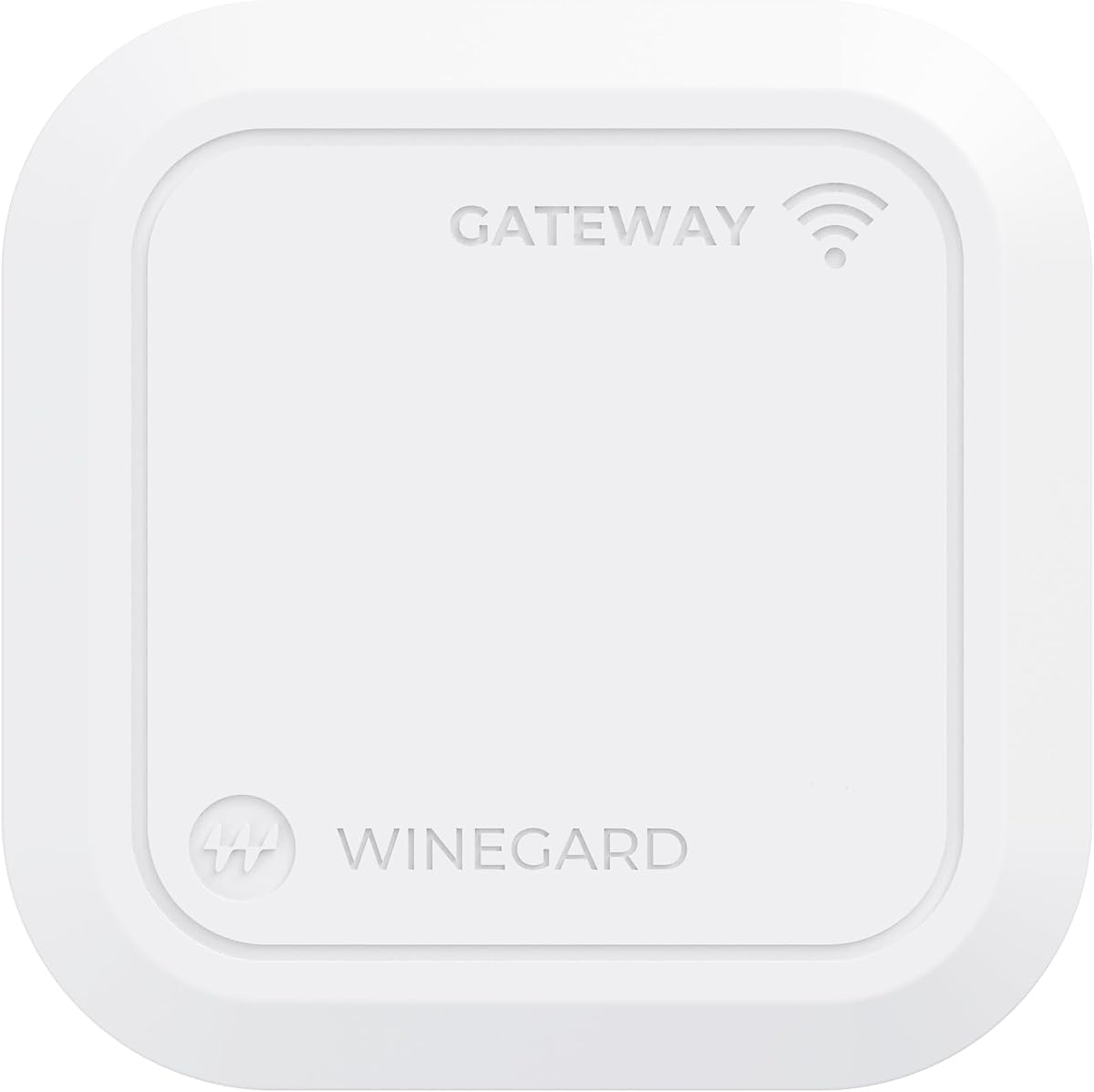
The Winegard GW-5G01 is designed specifically for RV owners who need a seamless internet solution tailored to mobile environments. Its 3.5 rating indicates mixed user experiences but for those invested in the Winegard ecosystem it offers a specialized and convenient connectivity option.
We may earn a commission when you buy through this link, at no additional cost to you.
Key strengths include its direct integration with Winegard's Air 360+ 5G dome antenna system which simplifies setup for RVs. It supports multiple carriers and hybrid internet options allowing you to add Starlink or other networks to ensure reliable connectivity while traveling across different regions.
Trade-offs include a reliance on proprietary Winegard hardware which can limit flexibility if you prefer to use third-party antennas or routers. Additionally the lower rating suggests that some users have encountered issues with performance or reliability compared to more general-purpose 5G routers available on the market.
We suggest this router for RV owners who already own or plan to buy the Winegard Air 360+ system and want a plug-and-play solution. It is a practical choice if you value a pre-integrated RV setup over the raw flexibility of a standard router with separate antenna ports.
Direct integration with Winegard dome antennas simplifies setup and ensures reliable signal capture while moving or parked in remote areas.
Support for T-Mobile AT&T and Verizon allows you to choose the best available signal in your current location for optimal performance.
We may earn a commission when you buy through this link, at no additional cost to you.
The GL.iNet GL-E5800 is a cutting-edge travel router that combines 5G connectivity with the latest Wi-Fi 7 technology for ultra-fast local networking. With a 4.4 rating it is well-regarded for its versatility and advanced features that appeal to professionals and content creators on the move.
We may earn a commission when you buy through this link, at no additional cost to you.
Its key strength lies in the combination of eSIM and dual nano-SIM support along with a touchscreen that allows you to manage connections without a phone or laptop. The built-in battery and 2.5G Ethernet port offer flexibility for temporary setups in hotels or remote offices where power may be scarce.
Trade-offs include a premium price that may be hard to justify for typical home users who do not need battery power or Wi-Fi 7 speeds. Additionally while it is powerful its compact form factor and travel focus might not offer the same stability or wired port density as a dedicated home router.
We recommend this device for business travelers and tech professionals who need high-speed internet and flexibility across different countries. It is an excellent choice if you want a single device that can serve as your hotspot and Wi-Fi router while you are away from your home network.
eSIM support allows you to switch carriers instantly by scanning a QR code ensuring you always have the best local data plan available.
Built-in battery enables untethered use for over 13 hours making it perfect for cafes airports or outdoor work sites without power access.
We may earn a commission when you buy through this link, at no additional cost to you.
The Waveform QuadMini is a specialized antenna kit designed to enhance the performance of 5G routers with external antenna ports. With a 4.1 rating it is well-liked by users who need to improve signal strength without resorting to complex custom antenna systems.
We may earn a commission when you buy through this link, at no additional cost to you.
Its key strength is the complete kit that includes everything needed to mount and connect the antenna including weatherproofing boots and window entry cables. The 4×4 MIMO design ensures that data rates are improved by optimizing polarization and isolation which can drastically reduce latency.
Since this is an accessory rather than a full router it cannot function on its own and requires a compatible 5G router with SMA ports. Additionally while it is easy to install it may require some technical knowledge to route cables properly and ensure a secure weatherproof seal.
We recommend this kit for users who have a basic 5G router but are stuck with poor signal due to location or distance. It is the best choice if you want a simple low-profile solution to boost your existing router's performance without buying a whole new system.
The included cables and weatherproofing boots make installation straightforward ensuring you can set up the antenna safely without extra tools.
By optimizing polarization and isolation this antenna ensures better data throughput and lower latency even in crowded signal environments.
We may earn a commission when you buy through this link, at no additional cost to you.
Selecting the right 5G router involves balancing speed, antenna options, and durability based on your specific environment and needs.
The most critical feature for your needs is the type of connector the router uses for external antennas. Most units use SMA connectors which are standard and easy to find replacement parts for. Ensure the router has enough ports to support the number of antennas you plan to use for maximum MIMO performance.
Check the device specifications to confirm the connector type before buying external antennas to avoid needing adapters that can degrade signal quality.
Not all routers support every carrier equally. Look for devices that are explicitly certified for T-Mobile or AT&T if those are your primary networks. Some industrial routers like Teltonika offer carrier agnostic flexibility but may require manual APN configuration to work properly.
Always verify with your carrier that the router model is whitelisted on their network to avoid activation issues or reduced data speeds.
The internal modem determines the maximum speed you can achieve. High-end modems like Qualcomm SDX62 or X72 offer significantly better speeds and power efficiency than older models. Ensure the modem supports both NSA and SA 5G standards for future-proof performance.
A powerful modem ensures that you can fully utilize the speed of your external antennas and data plan without bottlenecks inside the router.
If you plan to mount the router outdoors or in an industrial setting choose a device with an IP-rated enclosure. Indoor routers can fail quickly in rain or dust so look for IP54 or higher ratings for long-term reliability in harsh conditions.
A rugged enclosure ensures the router survives environmental stress and reduces the need for costly replacements over the lifespan of your project.
For business or critical use cases dual-SIM failover is essential. This feature allows you to insert two SIM cards so if one network fails the router automatically switches to the other to maintain connectivity.
This redundancy is vital for remote sites where downtime could lead to lost revenue or operational failures in essential systems.
Look for routers that support VPNs like WireGuard or OpenVPN to secure your connection when accessing public networks or remote devices. Cloud management platforms like RMS for industrial routers allow you to update firmware and monitor status from anywhere.
Strong security features protect your data from interception and ensure your network remains safe from unauthorized access attempts.
Check how the router receives power especially if you are installing it outdoors or in a vehicle. Options like PoE allow you to power the router over the Ethernet cable which simplifies installation in hard-to-reach spots.
Mobile users should consider battery-powered models or ensure you have a reliable DC power source for continuous operation on the road.
While 5G handles the backhaul the Wi-Fi standard determines how fast your local devices connect. Choose Wi-Fi 6 or Wi-Fi 7 for better device handling and speed to avoid bottlenecks when connecting multiple devices to the router.
A strong internal Wi-Fi ensures that your connected devices can actually benefit from the high speeds provided by your 5G connection.
Start by installing your router indoors first and testing its signal strength before mounting antennas. This helps you determine the best location and orientation for your external antennas without risking weather damage during initial setup.
When connecting external antennas ensure the connectors are tight but do not overtighten as this can damage the threads. Use provided weatherproofing boots or sealing kits to protect connections from moisture and dust that could degrade performance over time.
Regularly update your router's firmware to access the latest security patches and performance improvements. If using a remote site check the router logs periodically to ensure the SIM cards remain active and that failover systems are functioning correctly.
External antenna ports allow you to connect high-gain antennas that can significantly boost signal strength and speed in areas with poor coverage. This is especially useful for rural homes or remote work sites where standard built-in antennas cannot reach distant cell towers effectively.
You should use antennas that match the connector type and frequency range of your router. Most 5G routers use SMA connectors but ensure the antenna supports the same 5G bands as your carrier to achieve the best possible performance and data speeds.
Most routers require standard Nano SIM cards unless they support eSIM. Check if your carrier supports IoT or data-only SIM plans since regular phone SIMs may not be fully compatible with all router modems or failover features.
Dual-SIM failover allows the router to monitor two different carrier connections and switch to the second one if the primary link fails. This ensures your internet stays up even if one tower goes down or if you move to an area with weak coverage from your first carrier.
Yes most 5G routers are designed for indoor use and will work perfectly inside homes or offices. If you need outdoor antennas you can still keep the main router indoors and just run the antenna cables through a window or wall to the outside.
The range depends on the antenna gain and tower distance but high-gain external antennas can reach up to several miles in clear line of sight. In dense urban areas the effective range is shorter due to interference but external antennas still improve signal quality significantly.
The GL.iNet GL-X3000, Teltonika RUTM50, and MikroTik D53G represent top choices for different needs ranging from advanced customization to industrial reliability. Each model offers unique strengths such as dual-SIM support, rugged design, or extensive Ethernet ports to suit various environments.
When prioritizing your purchase focus on the antenna port quality and modem capabilities to ensure your router can handle both current and future network standards. Also consider how you will power and mount the device whether indoors or outdoors to avoid installation challenges later.
Keep in mind that prices and availability change frequently so always check the latest offers before making a final decision. Verifying your carrier compatibility and current firmware status can help ensure a smooth setup and reliable internet for your specific situation.